Explore mathematics in movies and television, with mathematical topics and classroom questions.
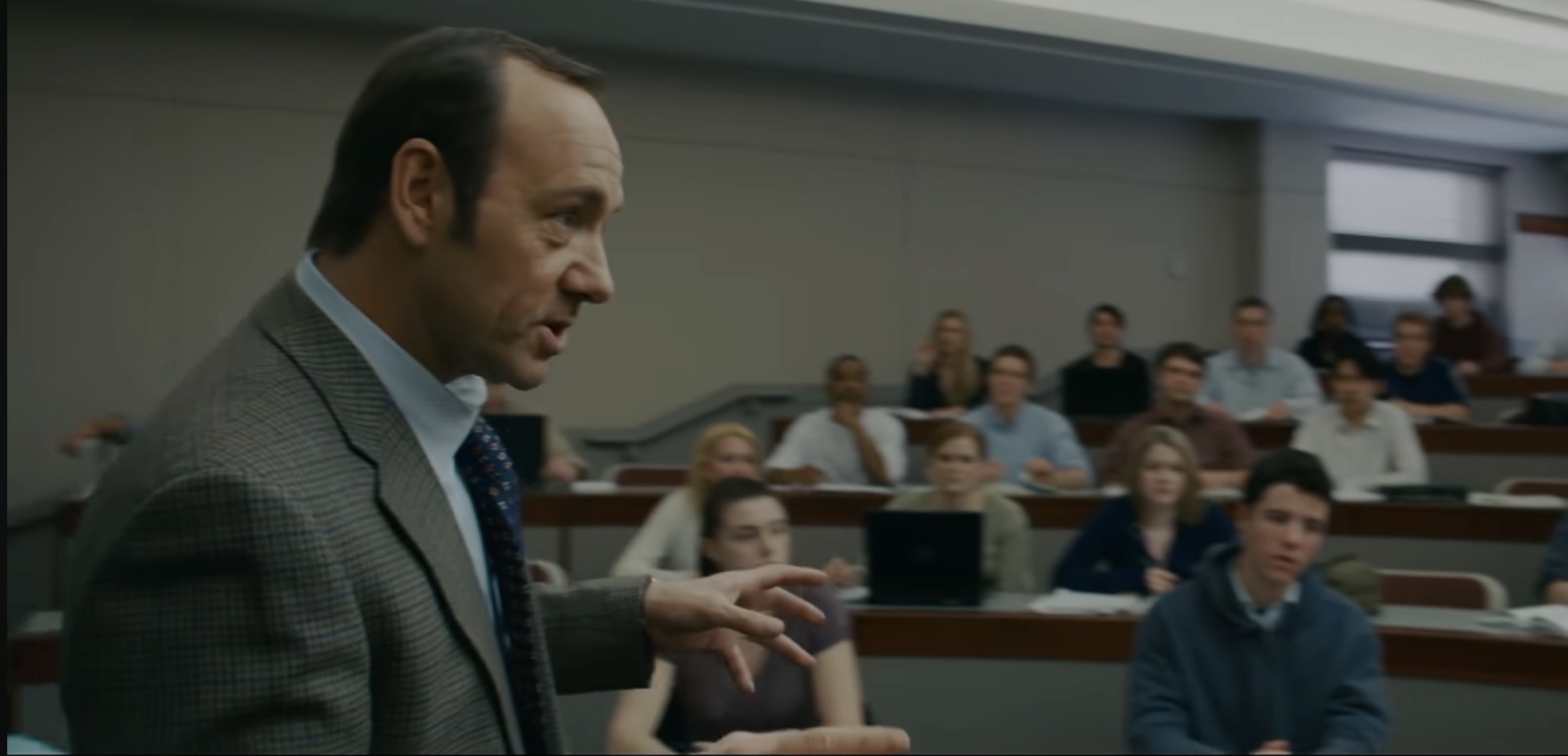
21 — Monty Hall problem
Mathematics: Conditional probability and decision-making
A game-show puzzle illustrates why switching doors changes the probability of winning.
Classroom question
Why is switching better than staying after one losing door is revealed?
Source: 21 (2008); linked film scene
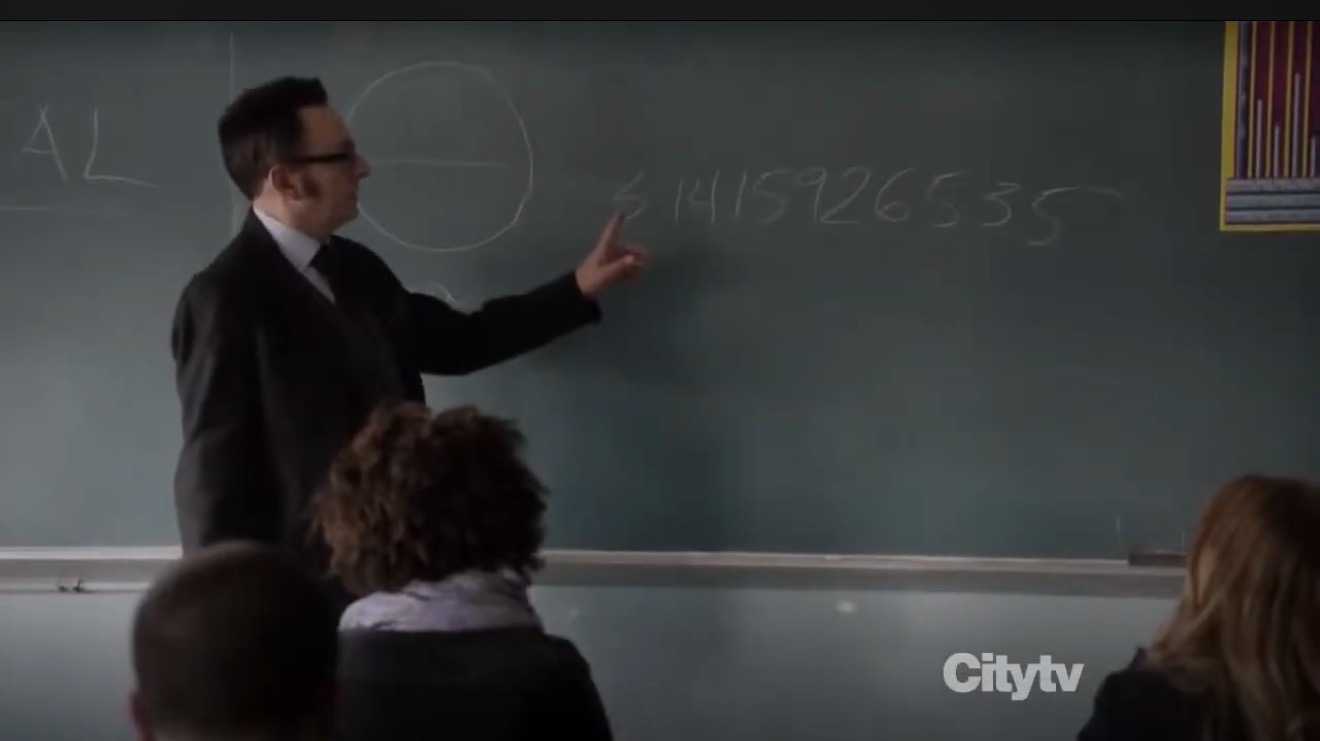
Person of Interest — 2 Pi R
Mathematics: Pi and irrational numbers
A television scene involving pi and its mathematical significance.
Classroom question
Why is pi irrational and where do we encounter it?
Source: TV series
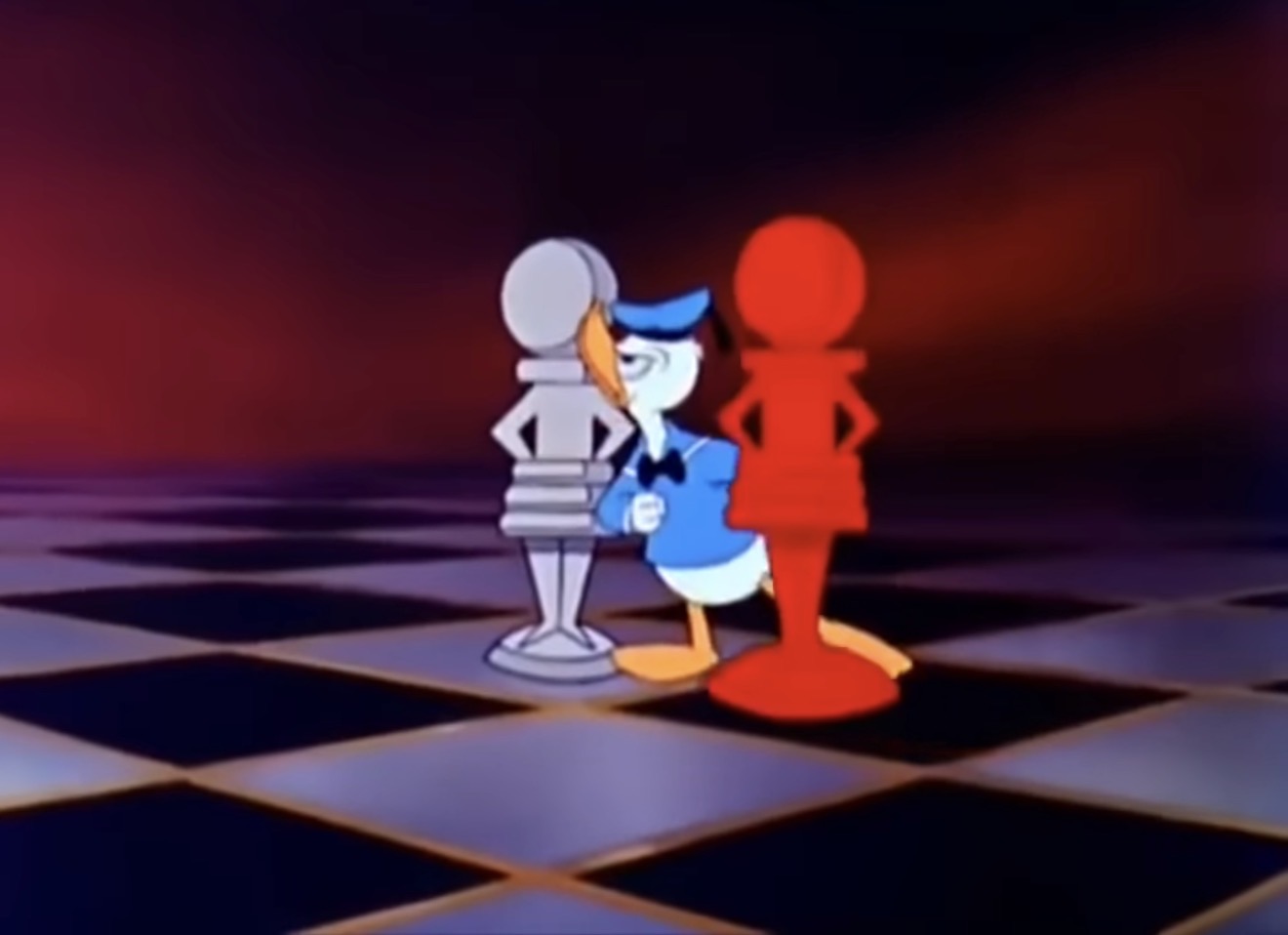
Donald in Mathmagic Land
Mathematics: Geometry, circles and pi
An animated journey explores geometry in art, music and the world around us.
Classroom question
Where can you find geometric patterns outside a textbook?
Source: Film
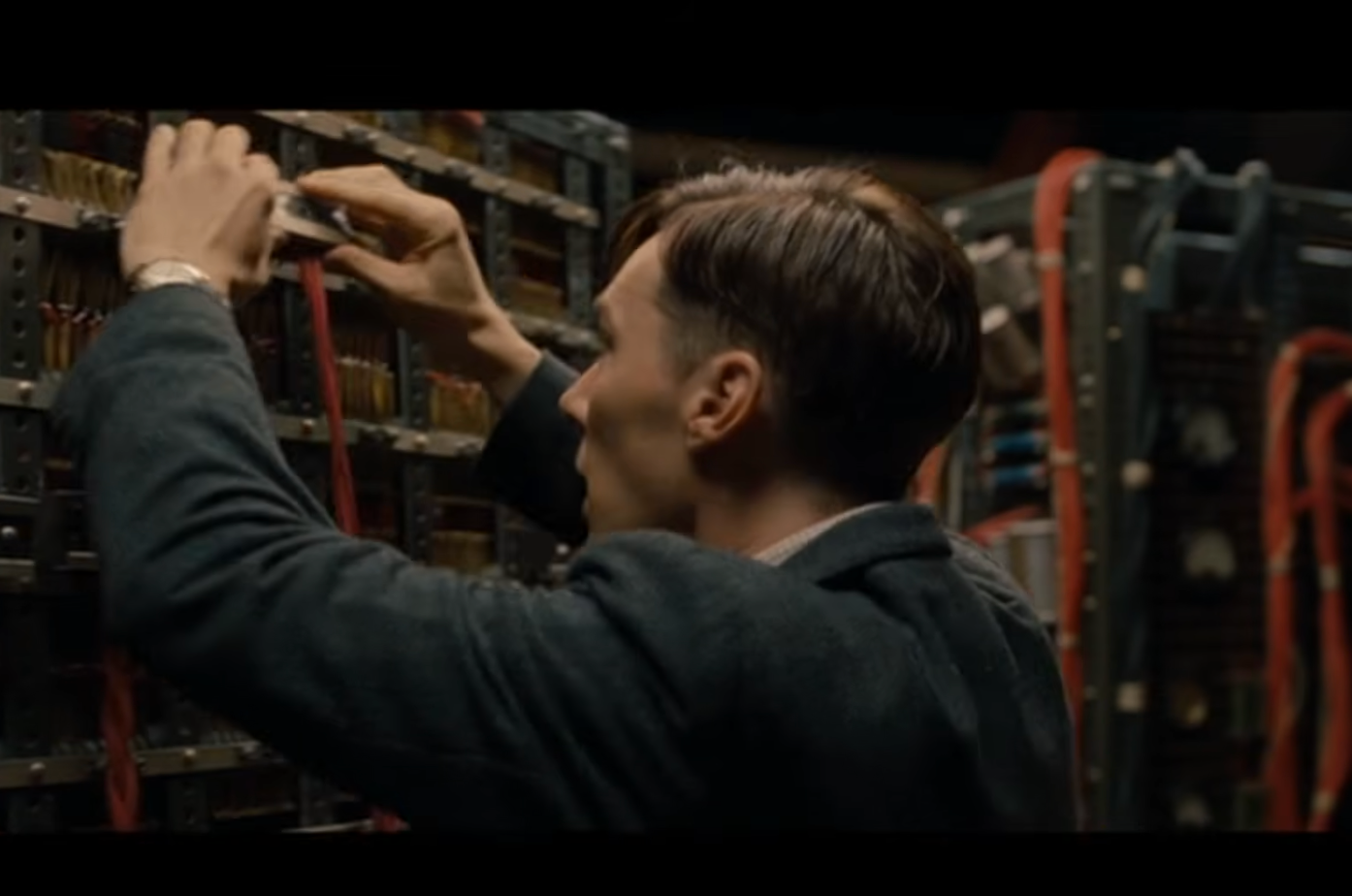
The Imitation Game — Enigma Codebreaking
Mathematics: Cryptography, algorithms, logic and systematic problem-solving
A scene depicting codebreaking work with the Enigma machine, illustrating the importance of systematic reasoning and computational methods.
Classroom question
How can mathematical patterns and systematic testing reduce the possibilities in a cipher?
Source: The Imitation Game (2014), linked YouTube clip
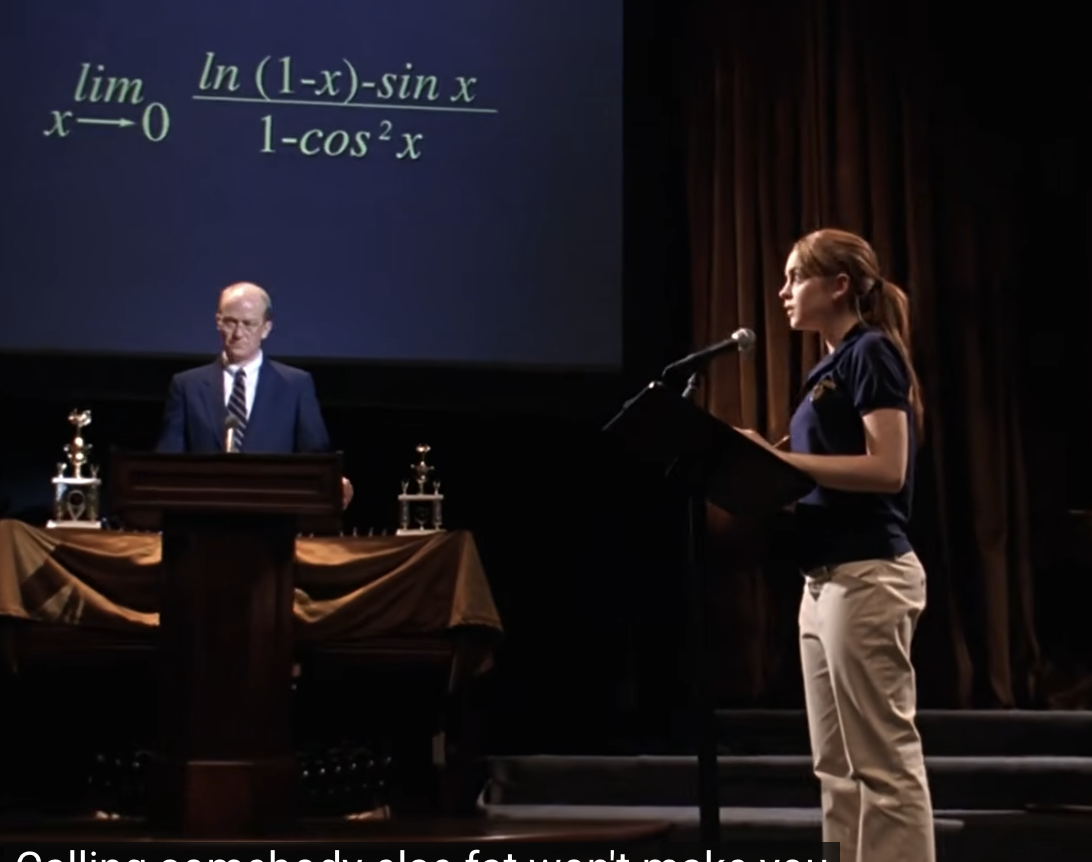
Mean Girls — The Limit Does Not Exist
Mathematics: Limits and calculus
A maths competition scene makes a memorable reference to a limit.
Classroom question
What does it mean for a limit not to exist?
Source: Film
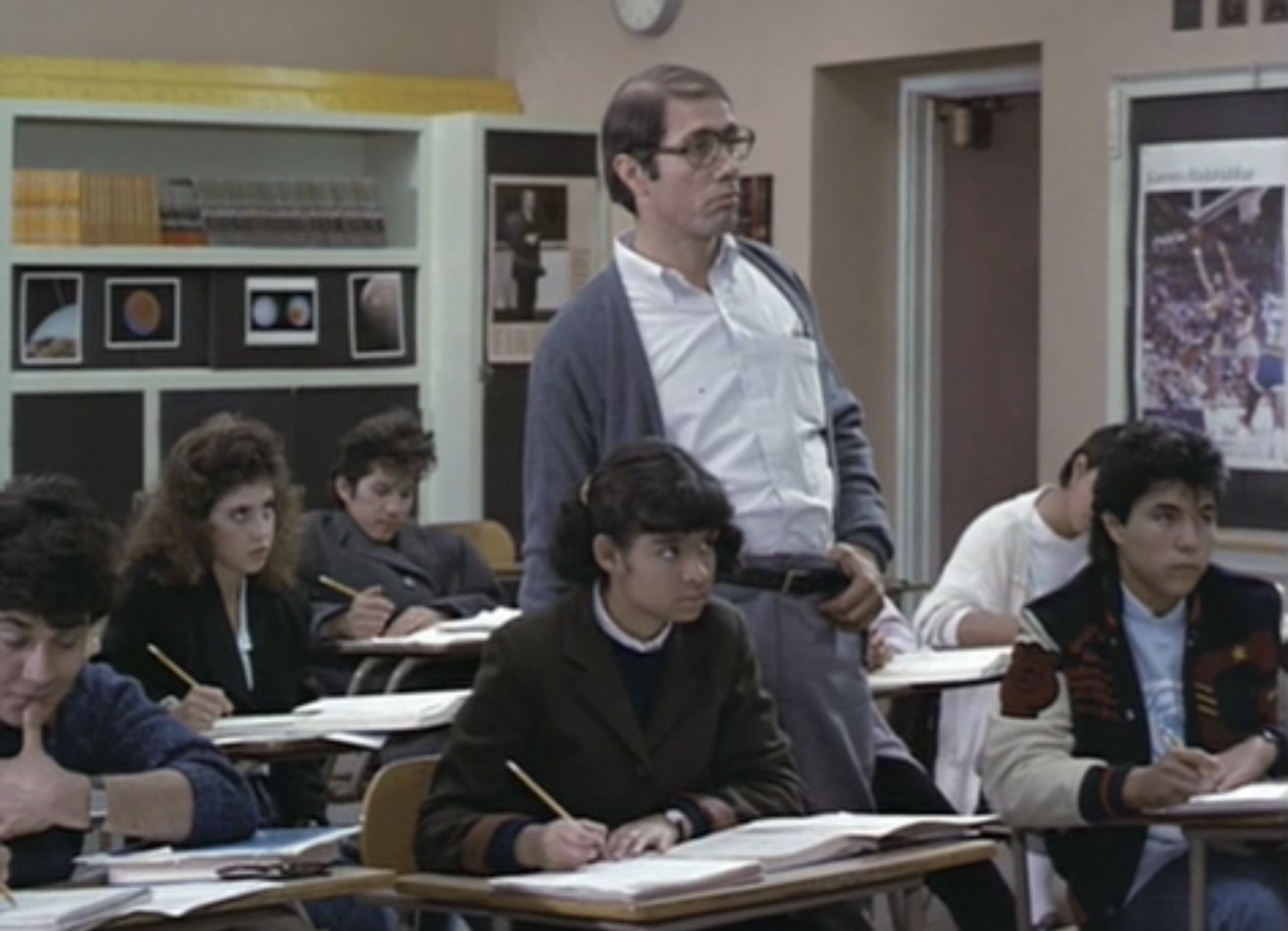
Stand and Deliver — Calculus
Mathematics: Calculus and mathematical perseverance
Students encounter calculus as an attainable and worthwhile challenge.
Classroom question
How would you explain the idea behind an integration technique?
Source: Harvard Mathematics in Movies
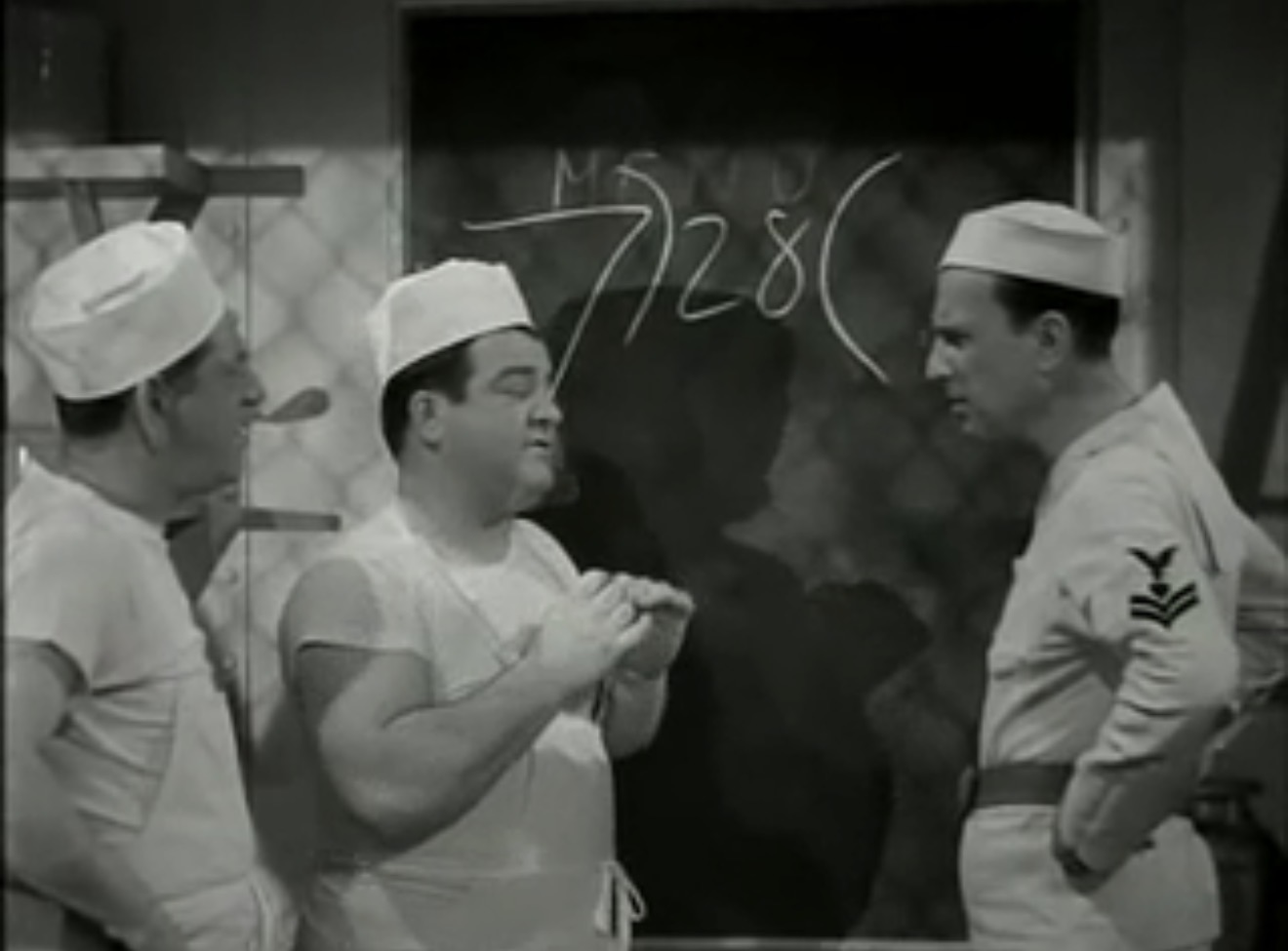
In the Navy — 7 × 13 = 28
Mathematics: Arithmetic and place value
Abbott and Costello use faulty arithmetic to argue that 7 × 13 = 28.
Classroom question
Where does the reasoning break down?
Source: Harvard Mathematics in Movies
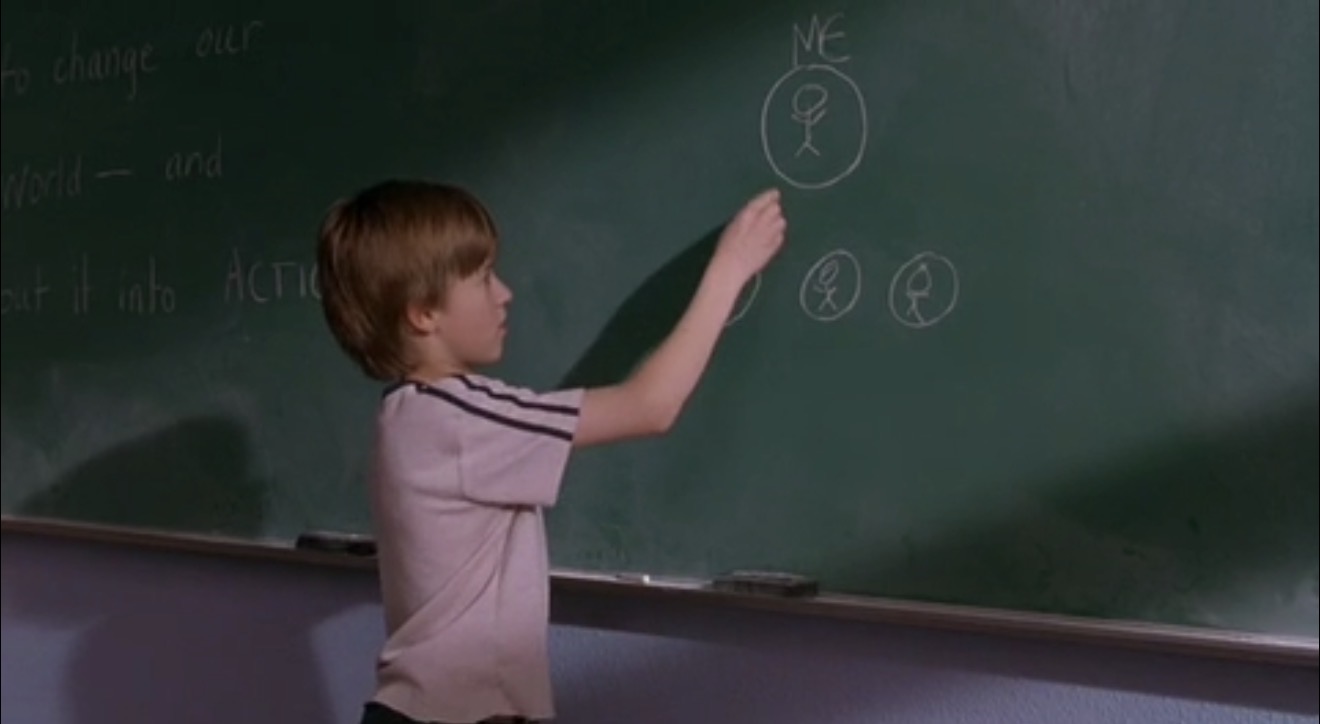
Pay It Forward — Powers of Three
Mathematics: Exponential growth
A chain of helping others illustrates a rapidly growing geometric pattern.
Classroom question
How many people could be reached after five rounds?
Source: Harvard Mathematics in Movies
Fermat’s Library animated powers-of-three pattern ↗
Explore patterns and fractals
Compare exponential branching (1, 3, 9, 27, …) with the visual repetition in the animation. In what ways does it resemble the self-similar Sierpiński triangle, and what is different?
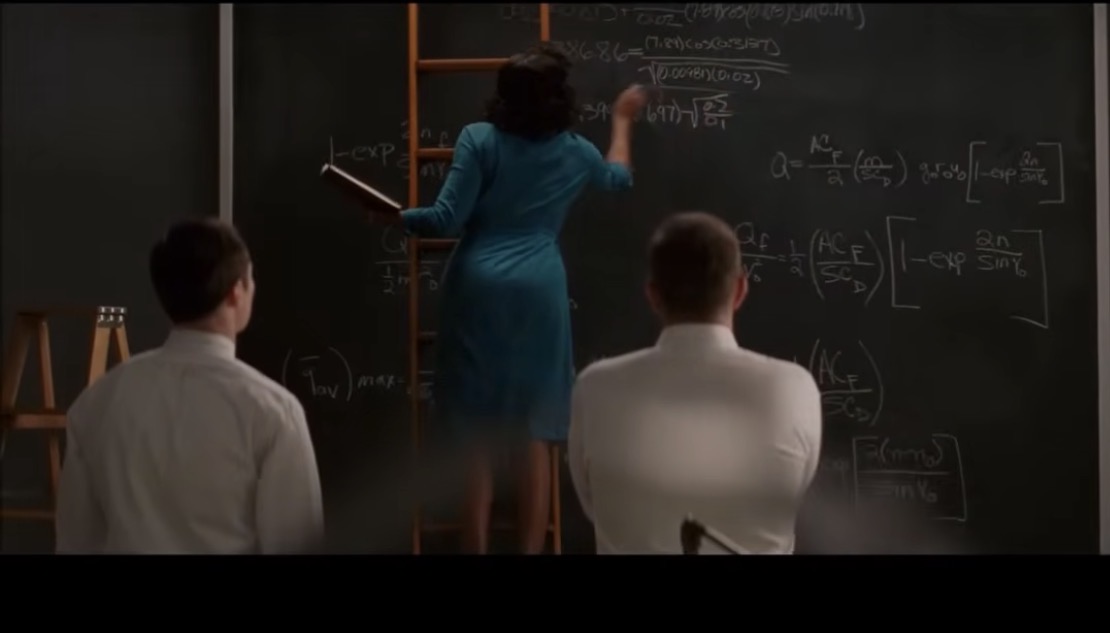
Hidden Figures — Euler’s Method
Mathematics: Numerical methods and modelling
Katherine Johnson invokes numerical approximation to address a spacecraft trajectory problem.
Classroom question
Why use numerical approximations when exact methods are difficult?
Source: Harvard Mathematics in Movies / original film
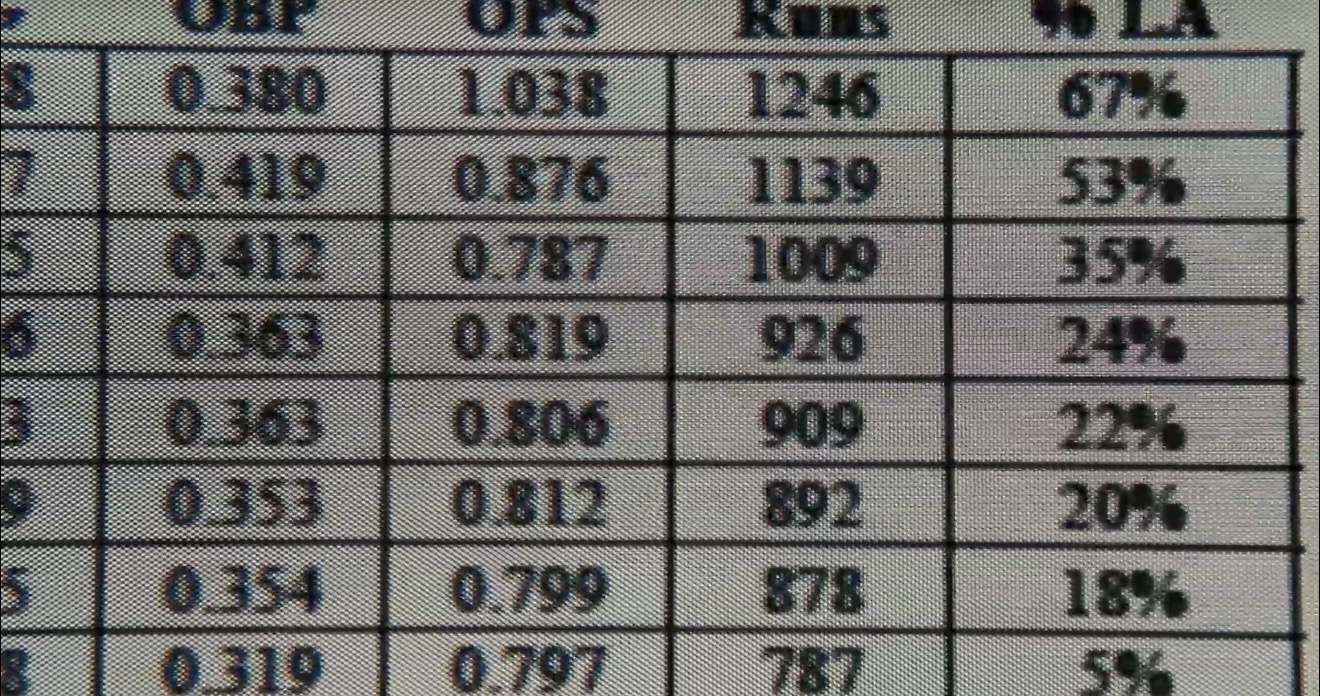
Moneyball — Statistics in Sport
Mathematics: Statistical modelling and evidence-based decisions
A baseball team uses performance data to identify players undervalued by scouts.
Classroom question
What can statistics reveal that intuition might miss?
Source: Film / Clip.Cafe
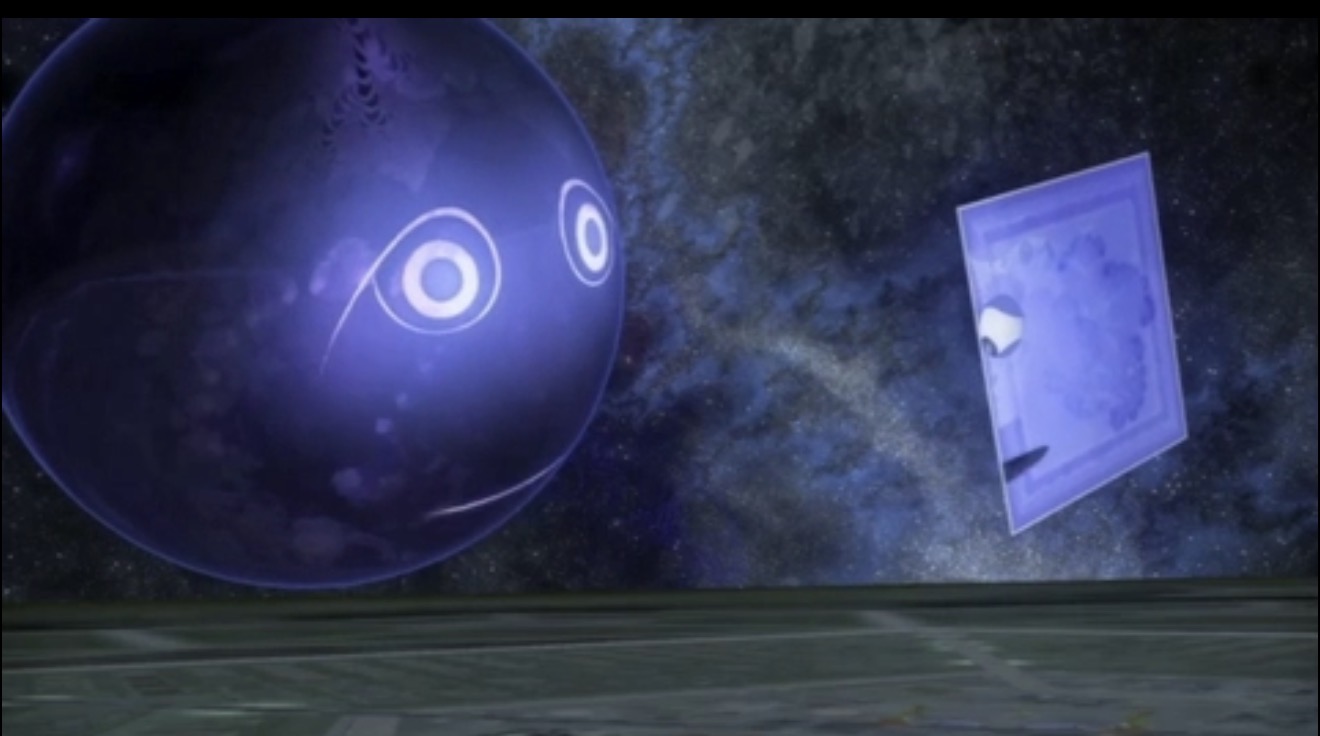
Flatland: The Film — Official HD Version (full film)
Mathematics: Two- and three-dimensional geometry; spatial reasoning and higher dimensions
A full-length animated film inspired by Edwin Abbott’s Flatland. A society of two-dimensional shapes is challenged by the possibility of a third dimension. Teachers may show the complete film and use the shorter TED-Ed explanation as a companion resource.
Classroom question
How could an inhabitant of a two-dimensional world recognise a sphere passing through its plane?
Source: Flatland: The Film (2007) — Film Ladd, official HD upload
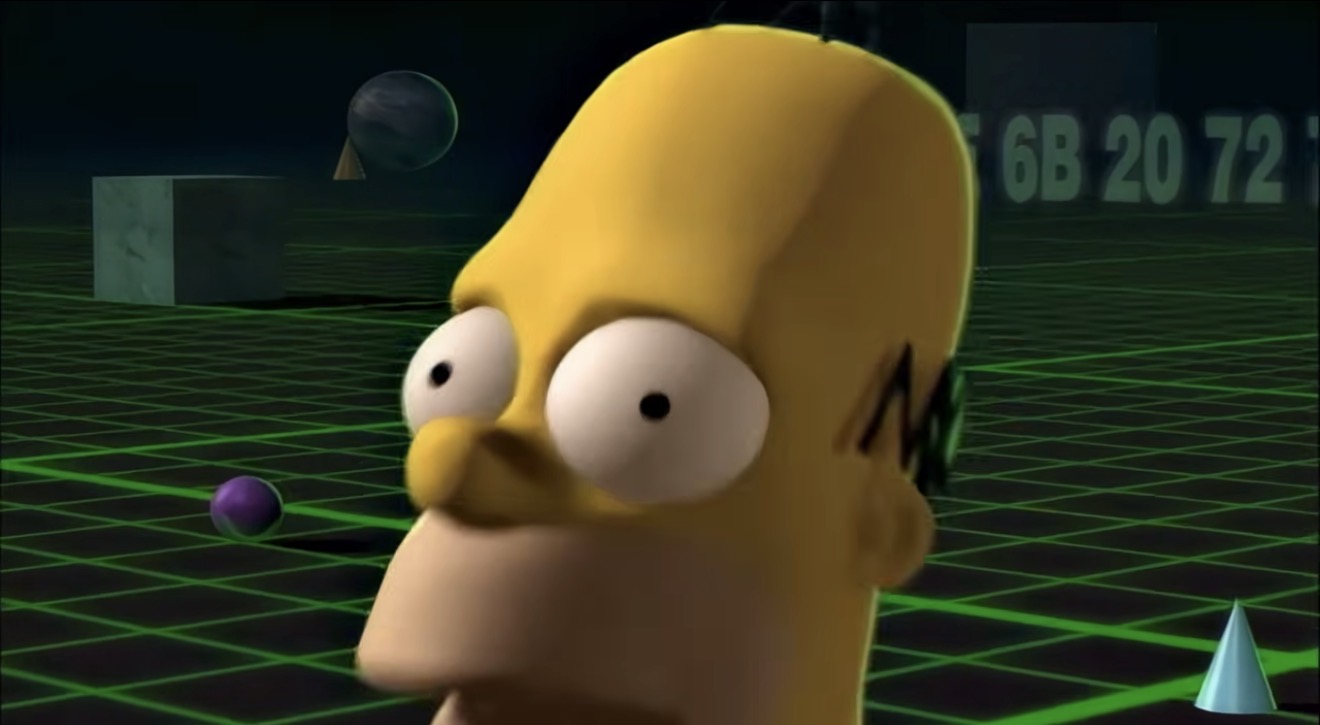
The Simpsons — Homer³
Mathematics: 3D geometry and dimensionality
Homer enters a three-dimensional realm with mathematical objects and equations.
Classroom question
What changes when we introduce a third spatial dimension?
Source: TV series / user-confirmed YouTube scene
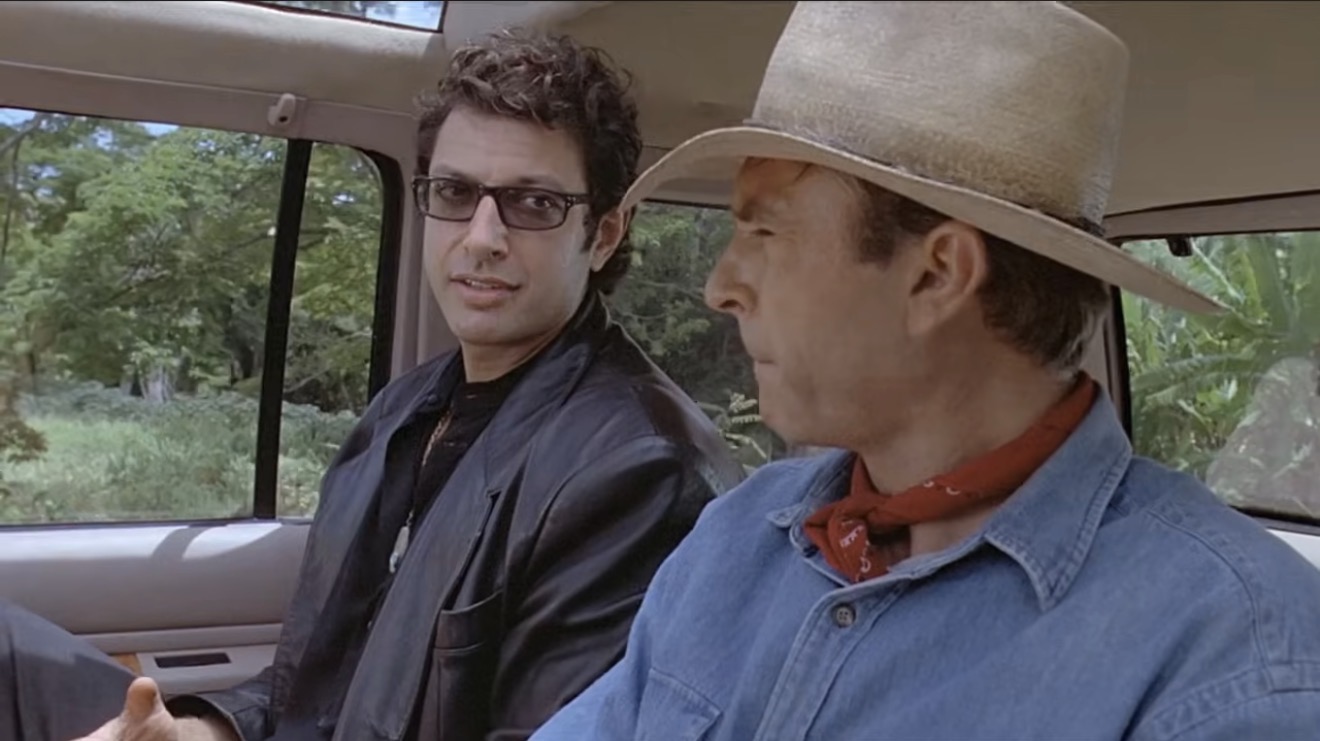
Jurassic Park — Chaos Theory
Mathematics: Sensitivity to initial conditions
Ian Malcolm uses water drops to illustrate how small differences can influence outcomes.
Classroom question
Why can tiny changes make long-term predictions difficult?
Source: Film
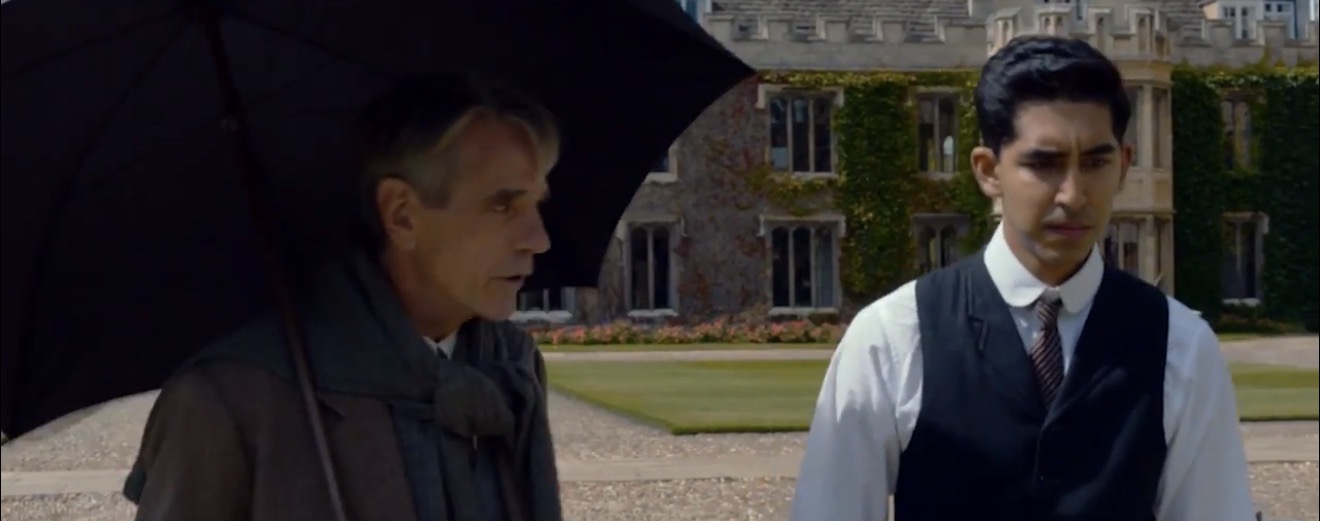
The Man Who Knew Infinity — 1729
Mathematics: Cubes and number theory
Ramanujan recognises the special property of Hardy’s taxi number, 1729.
Classroom question
Can you verify two different sums of positive cubes giving 1729?
Source: The Man Who Knew Infinity (2015); Flicks And The City Clips
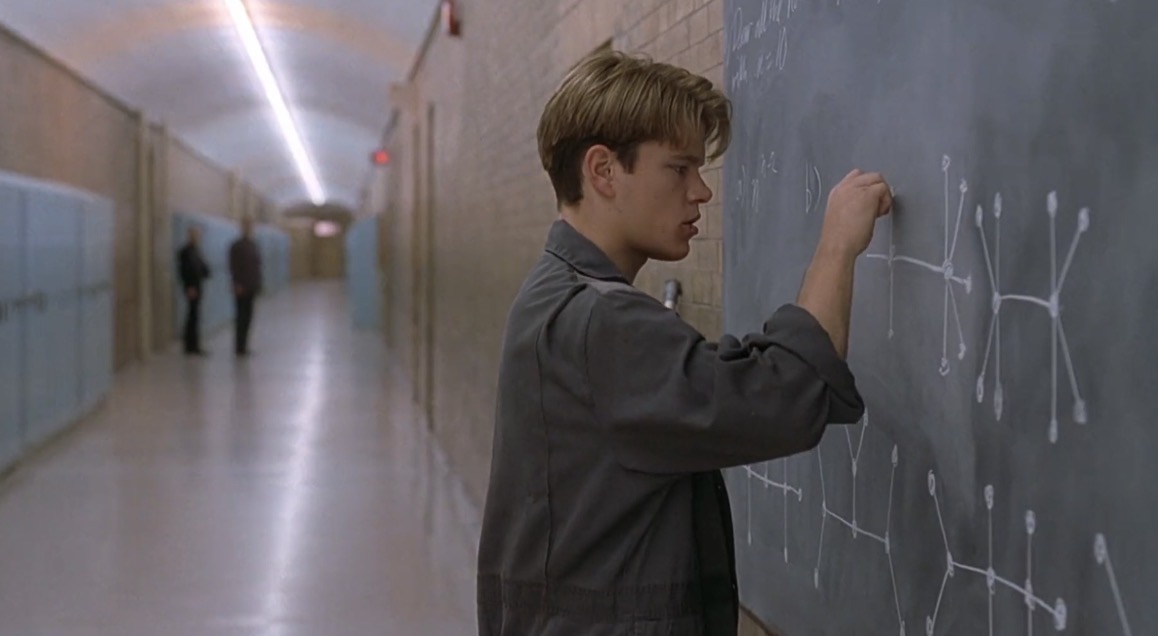
Good Will Hunting — Blackboard Problems
Mathematics: Graph theory and problem-solving
A challenging blackboard problem introduces networks and advanced problem-solving.
Classroom question
How can vertices and edges represent a mathematical situation?
Source: Harvard Mathematics in Movies
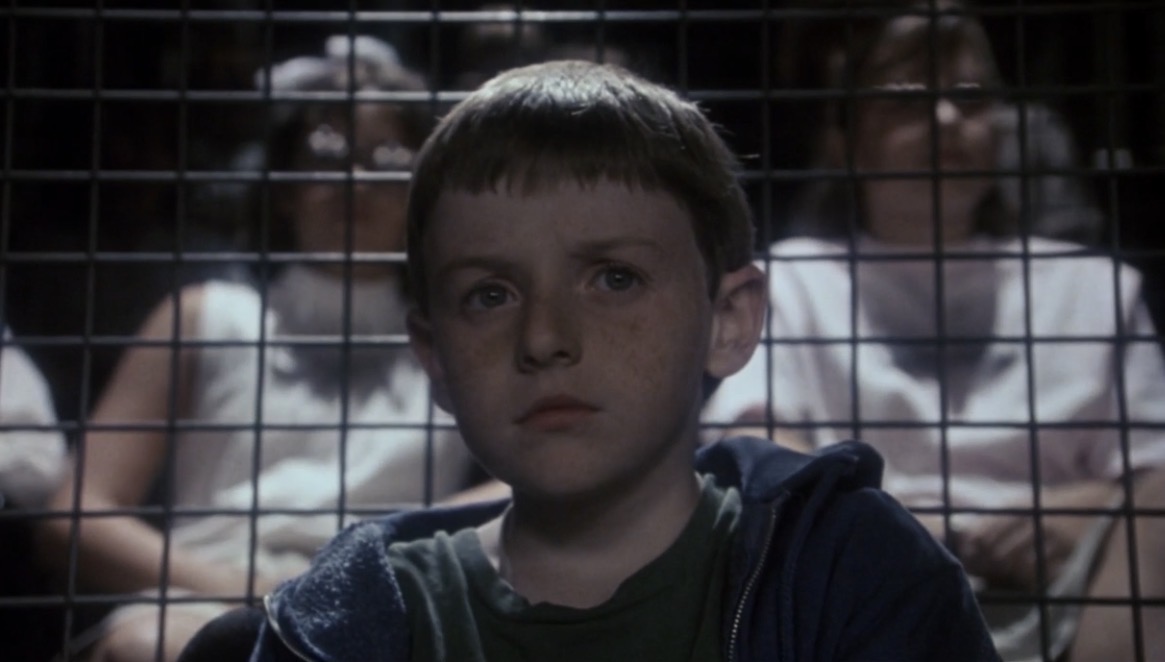
Little Man Tate — Maths Challenge
Mathematics: Algebraic reasoning and digit puzzles
A gifted child tackles a challenging two-digit number puzzle.
Classroom question
Find the two-digit number whose digit product fits the given clues.
Source: Rotten Tomatoes / original film

Merry Andrew — Pythagoras Song
Mathematics: Pythagoras’ theorem
Danny Kaye performs a song illustrating right-angled triangle geometry.
Classroom question
How does the song express a² + b² = c²?
Source: QEDcat (Marty Ross and Burkard Polster)
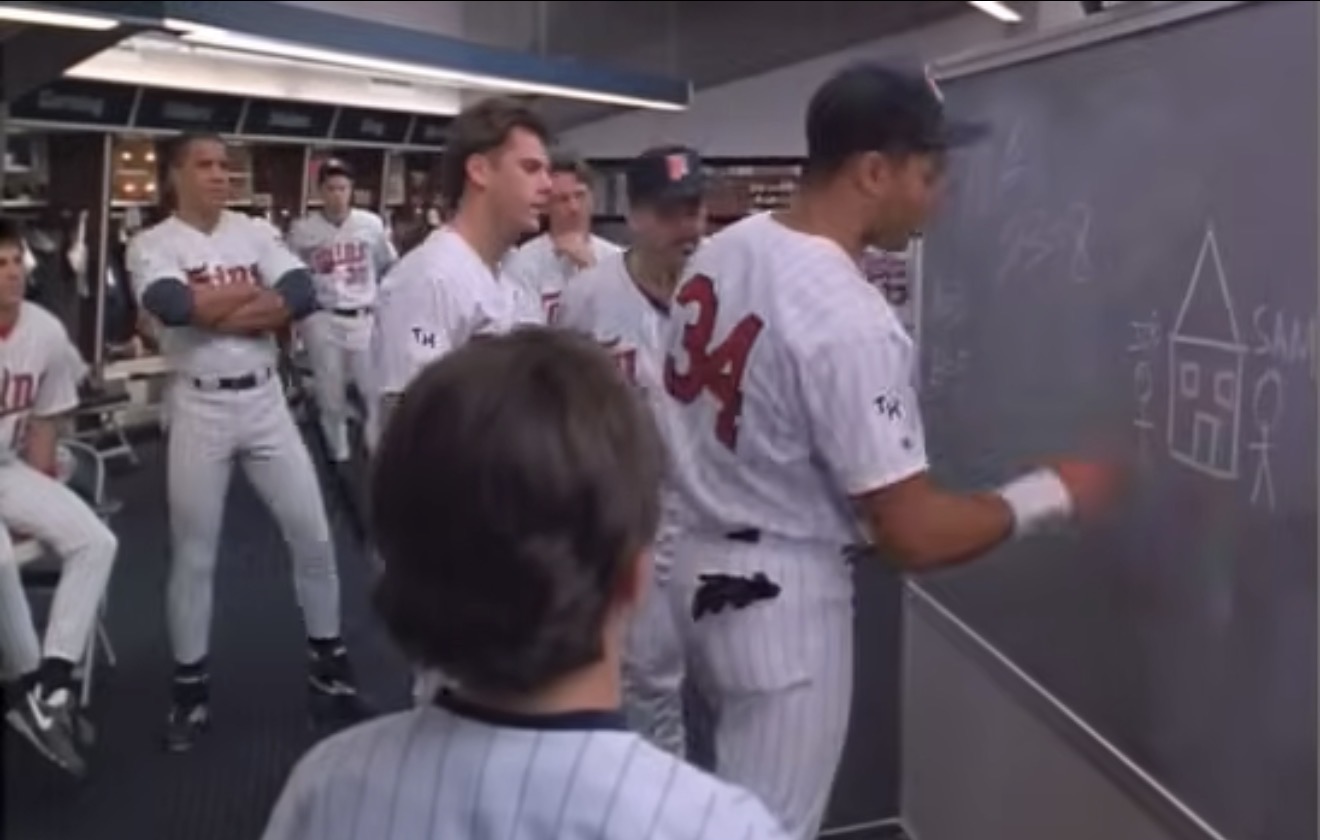
Little Big League — Painting a House
Mathematics: Combined rates and fractions
Players consider a work-rate puzzle involving two people painting a house.
Classroom question
Why does adding the times 3 + 5 not solve the problem?
Further Film and Television Resources
- Mathematics in Movies – Australian Database
A comprehensive film collection by Australian mathematicians Burkard Polster and Marty Ross, with mathematical scenes and ideas for enrichment.
- Mathematics in Movies – Harvard University
Mathematical scenes from films, collected by Oliver Knill, for classroom discussion and enrichment.
- Teach with Movies – Mathematics
Film clips and teaching activities connecting mathematical ideas to real-world contexts.
- Mathematics in Television – Australian Database
Burkard Polster and Marty Ross’s distinct collection of mathematics in television programmes.